

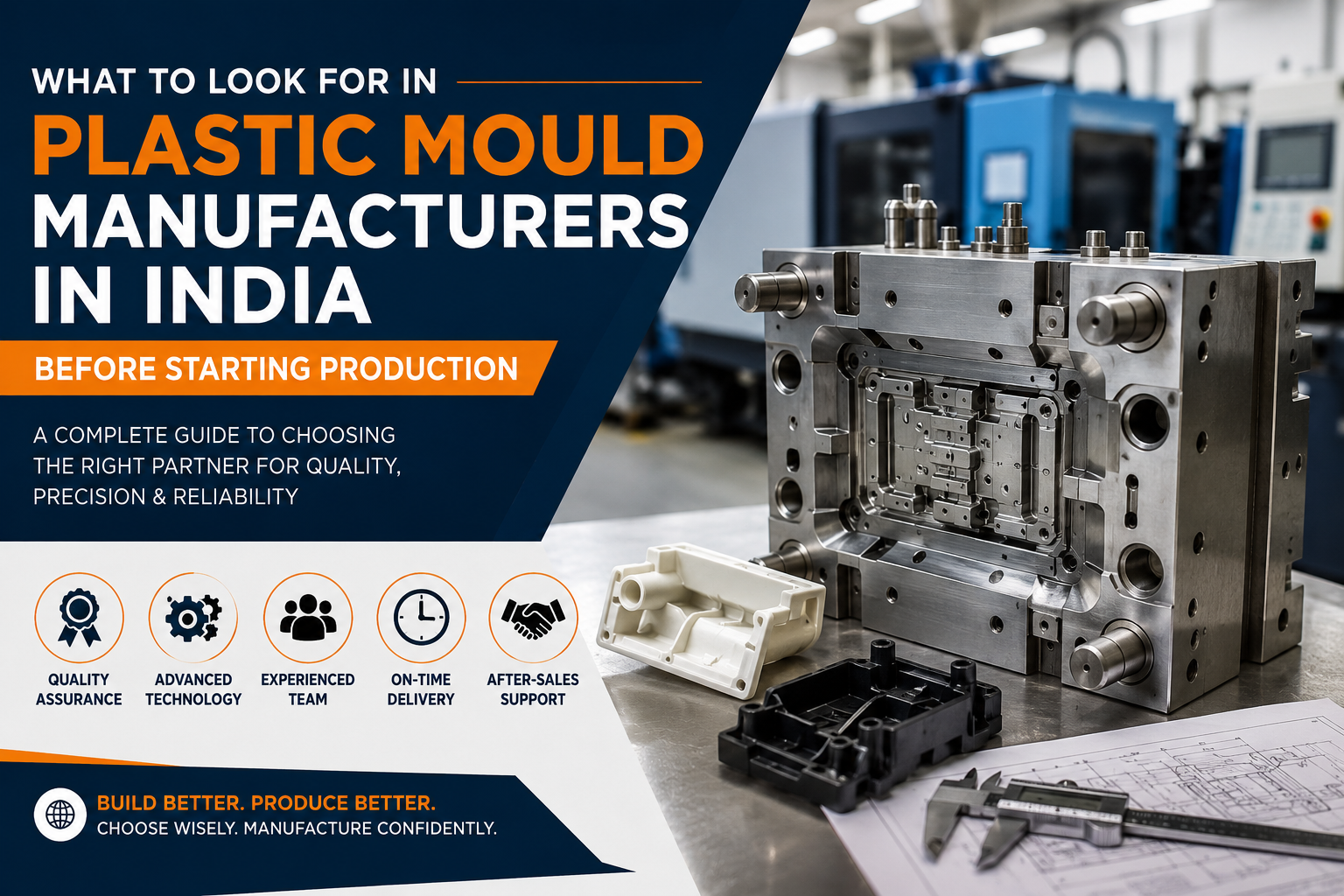
Before selecting a plastic mould manufacturer in India, evaluate their design expertise, tooling capability, quality control system, production capacity, material knowledge, delivery commitment, and after-sales support. A reliable manufacturer can reduce defects, shorten development time, improve product consistency, and lower overall manufacturing costs. Careful evaluation before production helps avoid expensive delays and tooling failures later.
Choosing the right plastic mould manufacturer is one of the most important decisions in any manufacturing project. Whether you are producing automotive parts, electrical components, medical devices, packaging products, or consumer goods, the quality of the mould directly affects the quality of the final product.
India has become a major hub for plastic mould manufacturing due to its skilled workforce, advanced tooling infrastructure, and competitive production costs. However, not all manufacturers offer the same level of precision, reliability, and technical support. Selecting the wrong supplier can lead to dimensional issues, poor surface finish, repeated mould repairs, production downtime, and increased rejection rates.
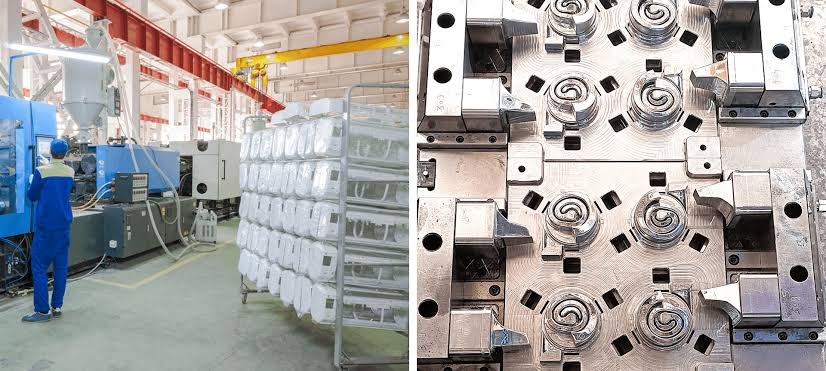
This guide explains the most important factors you should evaluate before starting production with plastic mould manufacturers in India.
Why Manufacturer Selection Matters
A plastic mould is a long-term production asset. Once tooling is developed, changing the manufacturer becomes costly and time-consuming. The right partner helps with:
- Better product quality
- Faster development cycles
- Lower maintenance costs
- Stable production output
- Reduced material wastage
- Long mould life
Investing time in supplier evaluation at the beginning can save significant money throughout the product lifecycle.
1. Experience in Your Industry
Start by checking whether the manufacturer has experience in your specific industry. Different industries have different tolerances, materials, and compliance requirements.
Examples
- Automotive: tight tolerances and high durability
- Medical: hygienic manufacturing and regulatory compliance
- Electrical: heat resistance and insulation properties
- Packaging: high-speed production capability
- Consumer products: surface finish and appearance quality
Ask for case studies, sample parts, or references from similar projects.
2. In-House Mould Design Capability
A strong mould design team is essential for successful production. The manufacturer should use modern CAD/CAM software and perform design analysis before machining.
Look for
- 3D mould design
- Flow analysis (Moldflow)
- Cooling analysis
- Gate and runner optimization
- Shrinkage compensation
- Draft angle validation
Good design reduces cycle time, minimizes warpage, and improves part consistency.
3. Tool Room Infrastructure
Inspect the manufacturer’s tool room and machining capability. Precision tooling equipment directly affects mould accuracy.
Important machines
- CNC milling machines
- CNC turning machines
- EDM machines
- Wire-cut EDM
- Surface grinders
- Jig boring machines
- CMM inspection equipment
Modern equipment indicates better dimensional control and repeatability.
4. Material Selection Expertise
The manufacturer should guide you in selecting both mould steel and plastic resin.
Common mould steels
- P20
- H13
- S136
- D2
- NAK80
Common plastic materials
- PP
- ABS
- PC
- Nylon
- POM
- HDPE
- PET
Correct material selection affects mould life, cycle time, strength, and product performance.
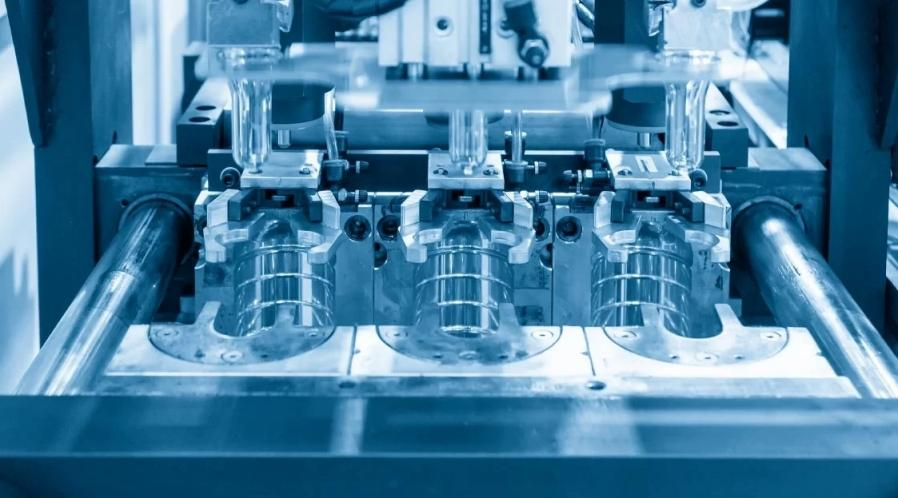
5. Quality Control System
Quality assurance is non-negotiable. Ask about their inspection procedures and certifications.
Check for
- ISO certification
- Incoming material inspection
- In-process inspection
- Final mould inspection
- Dimensional reports
- Surface finish measurement
- Trial sample approval process
Request sample inspection reports to verify their quality documentation.
6. Prototype and Trial Support
Before mass production, the manufacturer should offer prototype or trial mould support.
Benefits
- Design validation
- Fitment testing
- Functional testing
- Material evaluation
- Customer approval before full production
Trial support reduces the risk of expensive modifications after production starts.
7. Production Capacity and Delivery Commitment
Evaluate whether the supplier can meet your required volume and delivery schedule.
Ask about
- Number of moulding machines
- Machine tonnage range
- Monthly production capacity
- Shift operations
- Backup machines
- Tool maintenance schedule
A supplier with insufficient capacity may struggle during peak demand.
8. Maintenance and After-Sales Support
Moulds require periodic maintenance. Ensure the manufacturer provides long-term support.
Essential services
- Preventive maintenance
- Spare inserts
- Wear-part replacement
- Mould repair
- Engineering modifications
- Process optimization
Strong after-sales support increases mould life and minimizes downtime.
9. Cost Transparency
Do not select a manufacturer only because of the lowest quotation. Compare the total value offered.
Evaluate
- Tool cost
- Design cost
- Trial cost
- Sampling cost
- Maintenance charges
- Warranty terms
- Delivery terms
A slightly higher initial cost may result in lower operating cost over the mould’s life.
10. Communication and Project Management
Efficient communication is critical during development.
Good manufacturers provide
- Dedicated project manager
- Regular progress updates
- Design review meetings
- Trial reports
- Production timelines
- Technical consultation
Poor communication often causes delays and misunderstandings.
11. Lead Time and Development Process
Ask for a clear project schedule covering:
- Design approval
- Steel procurement
- Machining
- Assembly
- Trial run
- Corrections
- Final approval
- Production handover
Written milestones help track project progress.
12. Sustainability and Manufacturing Practices
Many buyers now evaluate environmental responsibility.
Prefer manufacturers who use
- Energy-efficient machines
- Scrap recycling systems
- Water management systems
- Safe material handling practices
- Waste reduction programs
Sustainable manufacturing can also improve process efficiency.
Red Flags to Watch Out For
Avoid manufacturers who:
- Refuse factory visits
- Cannot share inspection reports
- Offer unrealistically low prices
- Have no design team
- Lack quality certifications
- Give unclear delivery commitments
- Have frequent customer complaints
- Cannot explain material selection
These signs may indicate quality or reliability issues.
Quick Evaluation Checklist
Use this checklist before finalizing a supplier:
- Industry experience
- In-house design team
- Modern CNC and EDM machines
- Quality certification
- Material expertise
- Trial mould support
- Adequate production capacity
- Maintenance support
- Transparent pricing
- Good communication
- Documented delivery schedule
A manufacturer meeting most of these points is generally a safer long-term partner.
Selecting the right plastic mould manufacturer in India is not just a purchasing decision, it is a strategic manufacturing decision. Evaluate technical capability, tooling infrastructure, quality systems, material expertise, production capacity, and after-sales support before committing to production.
A reliable manufacturing partner can improve product quality, reduce development risk, and support business growth for many years. Companies that invest in precision tooling, engineering expertise, and customer support are better positioned to deliver consistent results.
For businesses seeking dependable mould development and precision manufacturing support, Ankom Enterprises focuses on quality-driven tooling solutions, modern machining capabilities, and customer-oriented project execution.
Frequently Asked Questions (FAQs)
1. How do I choose the best plastic mould manufacturer in India?
Check their industry experience, design capability, tooling infrastructure, quality certification, production capacity, and customer support before making a decision.
2. Why is mould design important before production?
Proper mould design improves product accuracy, reduces defects, shortens cycle time, and lowers production cost.
3. What certifications should a plastic mould manufacturer have?
ISO 9001 is the most common quality management certification. Industry-specific certifications may also be required depending on the application.
4. Should I visit the manufacturer’s factory before placing an order?
Yes. A factory visit helps verify equipment, quality systems, manpower, cleanliness, and actual manufacturing capability.
5. What is the typical lead time for mould manufacturing in India?
Lead time varies by mould complexity, but many industrial moulds take approximately 4–12 weeks from design approval to trial.
6. Is the lowest quotation always the best option?
No. Evaluate total value including quality, mould life, maintenance support, delivery reliability, and technical expertise.
7. What documents should I request before approval?
Ask for design drawings, material specifications, inspection reports, trial reports, project timelines, and warranty details.
8. Can a manufacturer help with product design improvements?
Yes. Experienced manufacturers often provide DFM (Design for Manufacturability) suggestions to improve production efficiency and reduce tooling issues.